|
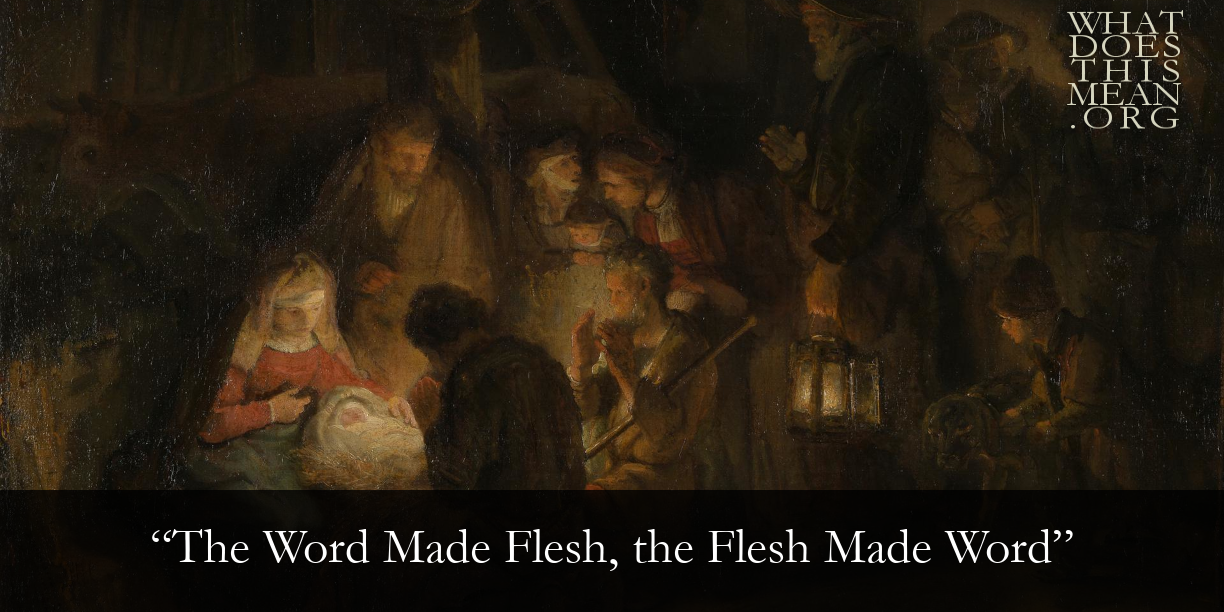
By the mystery of Your holy incarnation . . . Help us, good Lord. — The Litany Hymns for Christmastide are generally based on St. Luke’s Christmas narrative (Luke 2:1–21) or St. John’s Prologue on the Word made flesh (John 1:1–14). Hymns expounding on Luke 2 (“Once in Royal David’s City,” “What Child Is This,” et al.) generally focus on the history of the Christmas story and the response of penitent faith. Hymns based on John 1, however, usually proclaim the theology of the incarnation and how the Christ is enfleshed among us: “Not by human flesh and blood, By the Spirit of our God, Was the Word of God made flesh” and “Veiled in flesh the Godhead see, Hail the incarnate Deity.” Sacred choral music for the season also follows these two complementary theological paths, which the church year traces from Christmas Eve (usually focused on Luke 2) to the Christ-Mass, with its appointed Gospel Lesson from John 1. Christmas Eve having passed this year, please join me during the Twelve Days of Christmas to explore three settings of selected verses of John 1 in Latin, German, and English, all coincidentally written by composers whose last name starts with the letter “H.”
0 Comments
I am the Alpha and the Omega, the first and the last, the beginning and the end. —Revelation 22:13 Dieterich Buxtehude (1636/37–1707) was a Danish organist and composer of the Baroque period, whose works for the organ represent a central part of the standard organ repertoire. As a composer who worked in various vocal and instrumental idioms, Buxtehude's style greatly influenced other composers, such as his student, Johann Sebastian Bach (1685–1750), who once walked 260 miles to learn from an elderly Buxtehude, just two years before Buxtehude died. Bach had permission from his employer to be gone for three weeks. He was so impressed with his teacher and the Evening Music series (Abendmusiken), however, that he stayed for three months. Bach’s admiration of Buxtehude, even to the point of being absent without leave and risking his employment in Arnstadt, is just one indication of why Buxtehude, who served St. Mary’s Church in Lübeck from 1668 until his death in 1707, “ranks as the leading composer in Germany between Heinrich Schütz and Johann Sebastian Bach” (Karela J. Snyder, as quoted in German Studies Review 12:2, p. 358).
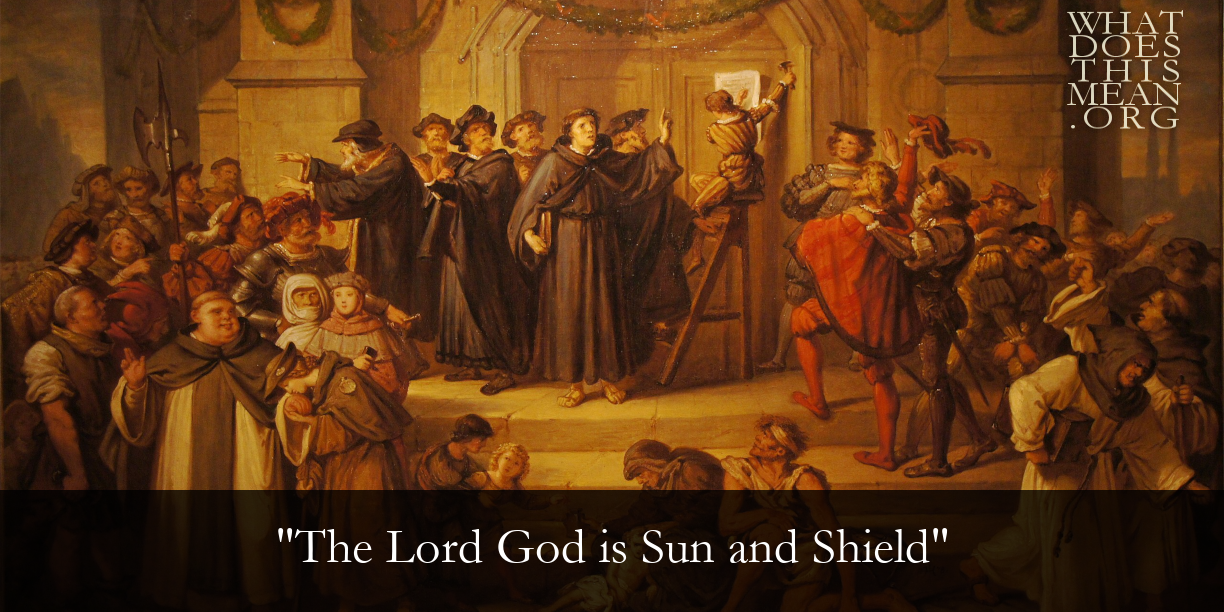
For the Lord God is a sun and shield; the Lord will give grace and glory; no good thing will He withhold from them that walk uprightly. — Psalm 84:11 Johann Sebastian Bach’s Cantata 79 is one of three sacred cantatas he wrote for the celebration of Reformation Day in Leipzig. In the general scheme of things, it probably lives in the shadow of his Cantata 80, “A Mighty Fortress is Our God,” with its textual substance drawn from Luther’s famous hymn and a splendid opening chorus that seems to reverberate in heaven itself. But Cantata 79, with a superb chorus, two chorale texts, and fine solos is not to be missed.
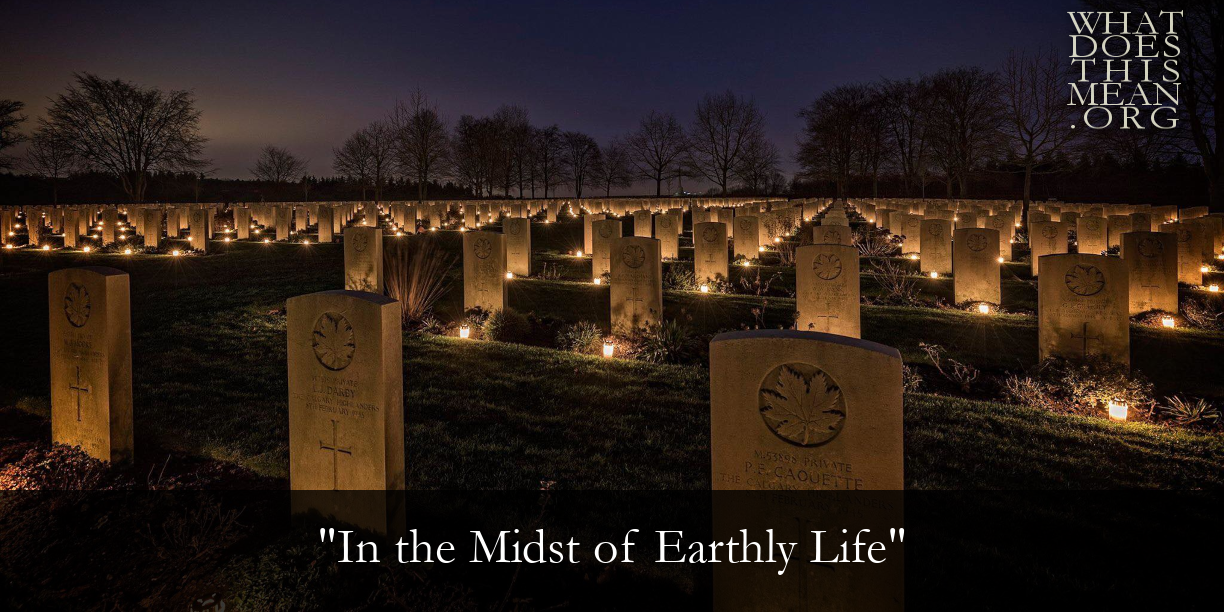
"In the Midst of Earthly Life:" Sacred Music for Pregnancy, Infant, and Child Loss Awareness Month10/21/2021 [T]his child will be raised to life with Christ in the resurrection on the last day. — Liturgy for the Burial of a Stillborn Amidst the plethora of non-military holidays and memorials, there is one that is of special interest to me: October’s Child Loss Month. When I was stationed as Chaplain to the flagship chapel of Navy Region Southwest (central California), I was privileged to participate in a remembrance ceremony every October. On this solemn occasion, those who had lost a child, whether an unborn baby or a young adult, gathered for an evening ceremony to light votive candles, to share their faith stories, and to pray to the God who promises life in the midst of death. Please join me this year to explore three sacred works, based on the propers for burying a stillborn or unbaptized child in Lutheran Service Book Agenda.
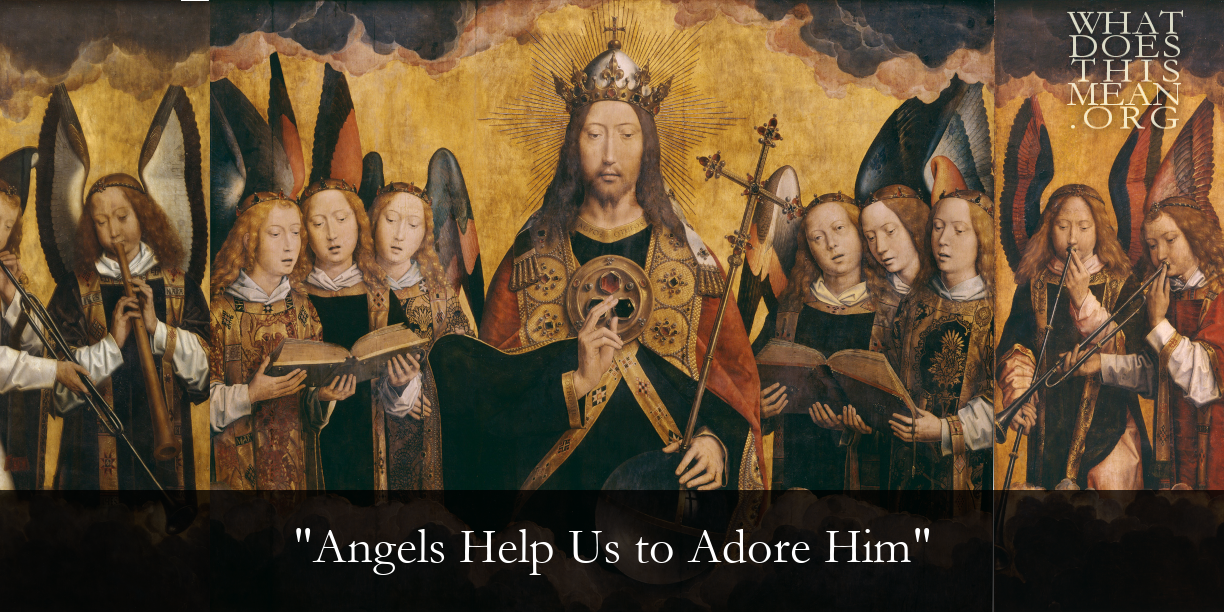
Christ, holy angels’ Crown and adoration . . . Graciously grant us all to share before Thee Heaven’s high glory — Hymn for the Feast of Holy Angels Readers who are familiar with the hymn, “Praise, My Soul, the King of Heaven” might be interested to know that Hymns Ancient and Modern (London 1861) changed the phrase “Angels, help us to adore Him” to “Angels in the heights adore Him!” (LSB Hymnal Companion, 1:1176). But the change to Henry F. Lyte’s original text did not last, and for good reason. Johann Gerhard (1582–1637) lists four reasons that angels serve and help the believer, even though they are mightier than we. First, it is God’s will that they serve us (Heb. 1:14). Second, our nature is raised in Christ above the angels (Heb. 1:4). Third, they serve us out of love, as does the Lord, who is Love incarnate. Fourth, “because we shall someday be with them in heaven and join their choir in praising God, the angels are happy to serve us here on earth” (adapted from Treasury of Daily Prayer, p. 767). With this in mind, please join me to explore three angelic choral works, inspired by the liturgical texts for St. Michael and All Angels in The Lutheran Hymnal (hereinafter TLH).
What then does heaven offer us? The possession of God, and the unceasing task of praising Him.
Our business there will be the unending Alleluia.
— John Mason Neale
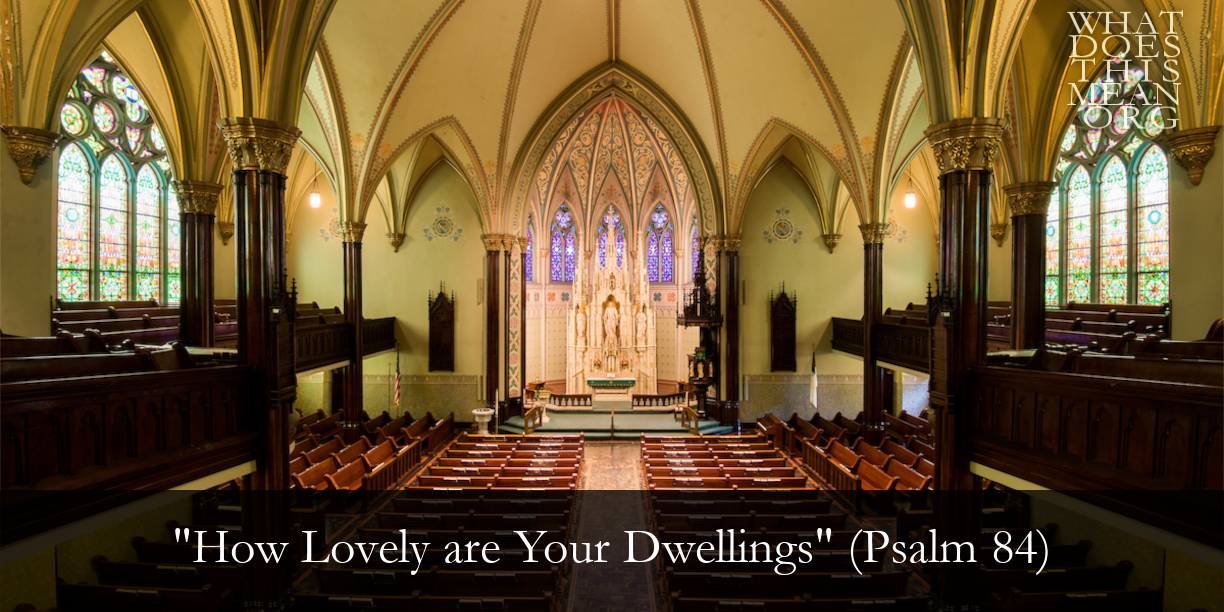
From highly skilled Levitical musicians of old to living composers, the church has been setting the psalms to music for nearly 3,000 years. Within this vast treasury, musicians have provided many settings to be tasted, some to be chewed, and a few to be digested again and again. Please join me to discover why Psalm 84 (vss. 1–2, 4) by Johannes Brahms (from A German Requiem, Opus 45) is among the few.
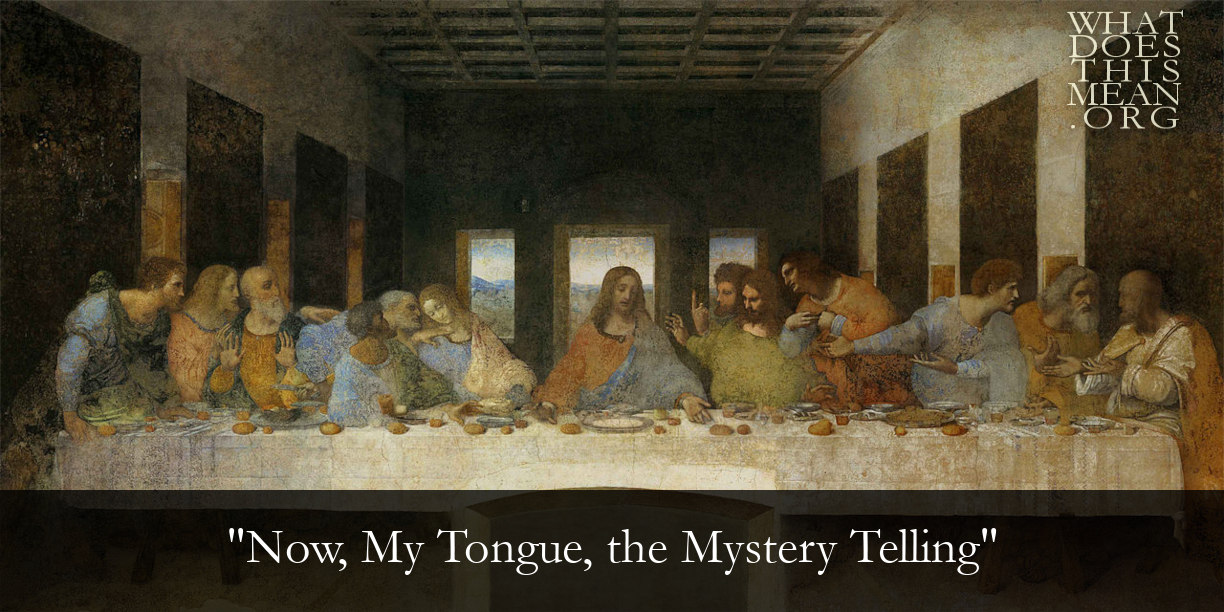
“Now, My Tongue, the Mystery Telling” Singing of the Sacrament with Josquin des Prez (1440/45–1521)6/2/2021
The King at supper sits, the twelve as guests He greets;
Clasping Himself in His hands, the food Himself now eats.
— Ancient Eucharistic Hymn
Readers of this column might recall from the April 2021 issue (“Music Inspired by the Diet of Worms: Luther’s Favorite Composers”) that among Luther’s favorite composers was the Franco-Flemish master, Josquin des Prez (ca. 1440/45–1521), who died 500 years ago, the same year as the Diet of Worms. In honor of the quincentennial of his passing, this column will focus on his last published Mass, the Missa Pange Lingua.
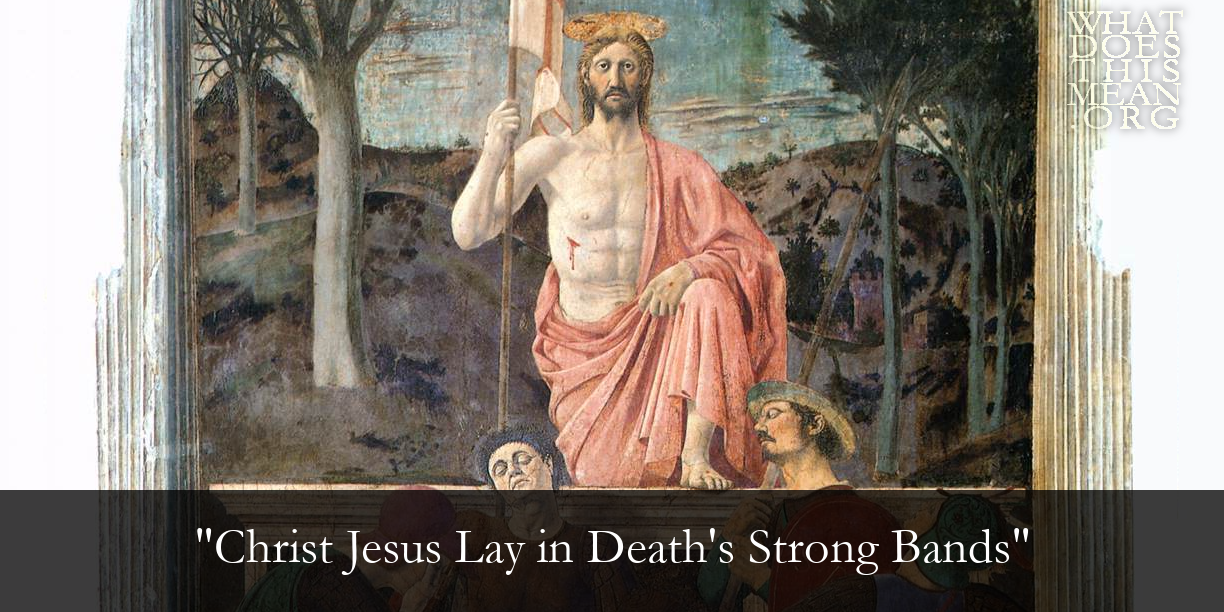
For even Christ, our Passover, is sacrificed for us: Therefore let us keep the feast . . . with the unleavened bread of sincerity and truth. — I Corinthians 5:7–8 The text of Martin Luther’s Easter hymn, “Christ Jesus Lay in Death’s Strong Bands” (please see the complete English text below) begins by echoing the words of St. Luke: “God raised [Jesus] up, loosing the pangs of death, because it was not possible for Him to be held by it” (Acts 2:24). Christ’s resurrection conquered death and brought us life and salvation, fulfilling the promise of Isaiah that Jesus would “swallow up death forever” (Is. 25:8), and now evoking “loud songs of alleluia!” from God’s people. Stanza 2 describes the condemnation of the law and the consequences of sin and death: “Therefore, just as sin came into the world through one man, and death through sin, and so death spread to all men because all sinned” (Rom 5:12). Stanzas 3 and 4 shift the focus to the Christus Victor theme, proclaiming the good news that “[death’s] sting is lost forever.” In stanza 5, Luther treats the Passover narrative as uniquely Christian Scripture, proclaiming the good news that the church is safe from sin and eternal death because of the blood of the Passover Lamb. The last two stanzas invite the faithful to eat the Passover Lamb in the Easter feast, where Christ is “our meat and drink indeed.”
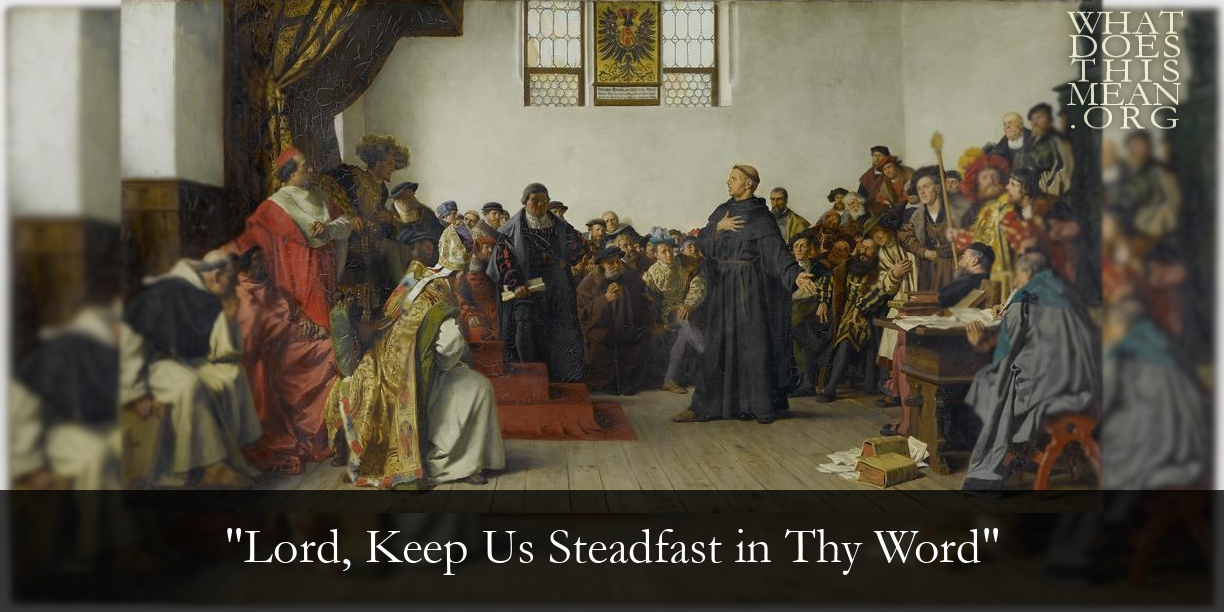
I will speak of thy testimonies also before kings, and will not be ashamed. — Psalm 119:46 This month marks the 500th anniversary of the Diet of Worms, the imperial meeting where Luther was asked to recant his early Reformation writings, but chose instead to make the good confession of faith before Emperor Charles V, saying: Unless I am convinced by the testimony of the Scriptures or by clear reason (for I do not trust either in the pope or in councils alone, since it is well known they have often erred and contradicted themselves), I am bound by the Scriptures I have quoted and my conscience is captive to the Word of God. I cannot and I will not retract anything, since it is neither safe nor right to go against conscience. I cannot do otherwise, here I stand, may God help me. Amen. (Luther’s Works 32:112–13) This anniversary pre-dates the first Lutheran hymn and hymnal by just a few years, but three works by three of Luther’s favorite composers are worth exploring on the Quincentennial of Luther’s speaking the truth of God’s Word in the public square, come what may.
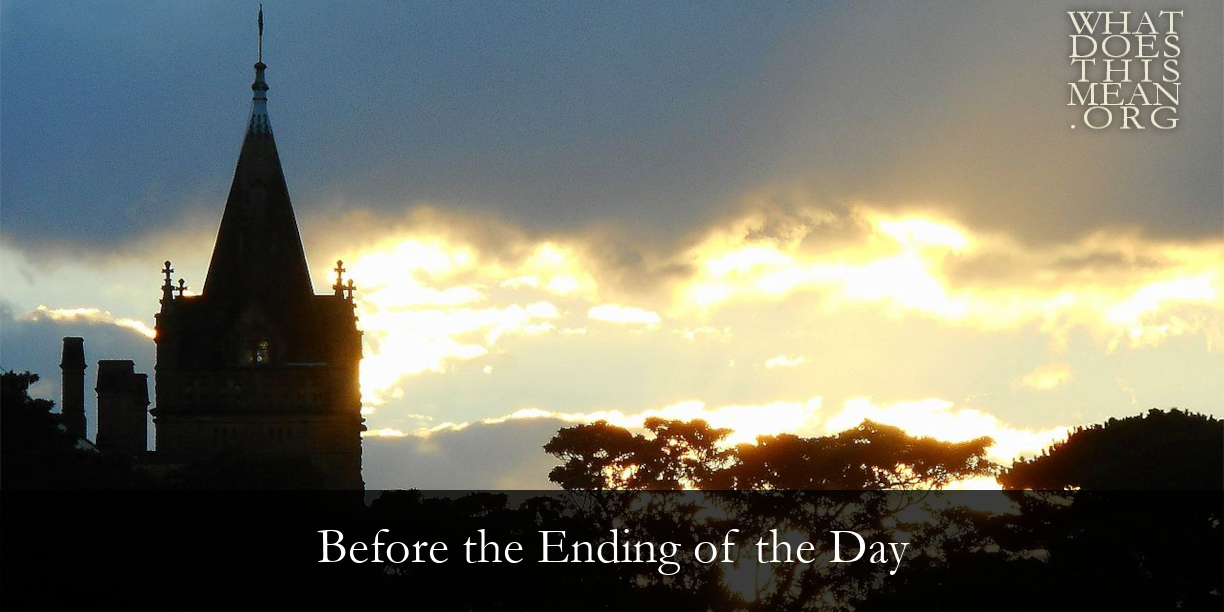
Visit our dwellings, O Lord, and drive from them all the snares of the enemy —Prayer for Compline The chant now known to the English reader as the hymn “Before the Ending of the Day” (LSB 889) probably originated between the late fifth and seventh centuries. In liturgies ancient and modern it is generally prescribed as the office hymn for Compline, especially during the Trinity season. Not unlike the later Lutheran practice of assigning a hymn of the day to each Sunday and feast day in the church year, the monastic office generally prescribed an office hymn for each hour of daily prayer, such as “Now That the Daylight Fills the Sky” (LSB 870), which is usually assigned to Prime, the prayer office for the beginning of the day. “Before the Ending of the Day” is a perfect fit for Compline, the service at the completorium or completion of the day. It is not difficult to picture a group of monks congregating to close the day in prayer with the following Latin chant:
|
Pr Brian HamerBrian J. Hamer is Chaplain to School of Infantry West at Marine Corps Base Camp Pendleton via the LCMS Board for International Mission Services. Archives
October 2026
Categories
All
|
|
|
Like what you see here? Donate to Around the Word.
|